
The Confidence Gap: Why Brilliant Leaders Second-Guess Themselves
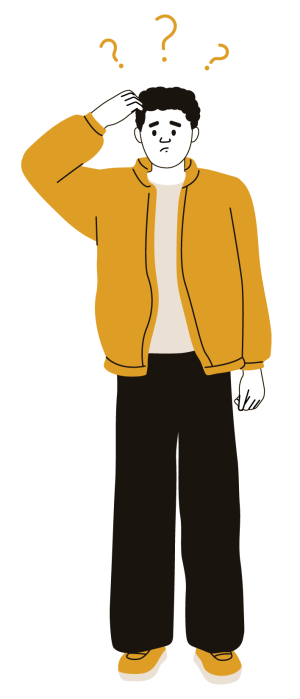
James scrolled through the two marketing campaign options, his stomach tightening as he pondered which one they should go with. The team had spent weeks developing these concepts, and it was his call to make.
Option A was bold and different—exactly the kind of risk that could set them apart. But what if it flopped? What if customers didn’t get it? Option B was safer, more familiar, and had worked in the past. He found himself running through the same thoughts over and over.
What if I make the wrong call? Will my team lose confidence in me? What if this sets us back instead of moving us forward?
It wasn’t the first time he had felt this way. Whether it was deciding which supplier to go with, approving the new product design, or even choosing which industry conference to invest in, the weight of every decision felt bigger than it probably was.
James took a deep breath. He thought about the best leaders he knew—his own mentors, successful business owners, and the people he admired. Did they always know the right answer? No. But they trusted themselves to move forward anyway.

– “What am I doing here?”
As the COO of Meta (formerly Facebook), Sheryl Sandberg has openly shared her struggles with imposter syndrome. Despite being one of the most influential women in tech, she admitted that early in her career, she constantly felt like she wasn’t good enough for the roles she was given. Instead of letting this paralyze her, she leaned into learning, surrounded herself with trusted advisors, and reminded herself that doubt doesn’t mean incompetence—it just means growth is happening.

– Doubting His Right to Lead Starbucks
Howard Schultz, the former CEO of Starbucks, grew up in a working-class family and often questioned whether he was the right person to lead a billion-dollar company. When he bought Starbucks in 1987, it was a small coffee chain, and he had big ambitions to transform it into a global brand. But even after years of success, he still wrestled with self-doubt, especially when he returned as CEO in 2008 to revive the struggling company. His confidence came not from knowing all the answers but from trusting his ability to make tough decisions and stay true to his vision.

– “I still experience self-doubt every single day.”
Richard Branson, the founder of Virgin Group, has built an empire spanning airlines, media, space travel, and more. Yet, he has admitted in multiple interviews that he struggles with self-doubt and often wonders whether he’s in over his head. His strategy? He doesn’t let fear stop him from taking risks. He surrounds himself with great people, asks for help when needed, and reminds himself that perfection is the enemy of progress.

– Questioning His Ability to Lead a Nation
Even world leaders aren’t immune to self-doubt. Barack Obama has spoken about how, in the early days of his presidency, he wrestled with the weight of responsibility and whether he was making the right decisions. He often turned to reading history and speaking with past presidents to remind himself that no leader has all the answers. Leadership isn’t about eliminating doubt—it’s about making the best decision possible with the information available.
It’s not always the actual decision we question—it’s the deeper wrestling with whether we are enough to execute it successfully.
James knew Option B was the easy choice. The safe route. The one with a guaranteed outcome. Option A, though? That was the unknown. It had risk. But it was also filled with adventure and possibility. If it worked, it could be a game-changer.
But then the doubt crept in. Did they have what it took as a team to fully carry this out? What if it went wrong?
But then again… What if they shot the lights out?
The truth is, reality often falls somewhere in the middle of these extremes. Things rarely go perfectly, and they rarely completely fall apart. But when self-doubt takes hold, we tend to only see the risks—not the potential.
And this is where most leaders get stuck.
We don’t often doubt the calling on our hearts—the idea that excites us, the strategy that could shift the business forward, the gut instinct telling us which way to go. What we doubt is our own ability to fulfill that calling.
But here’s the truth: The fact that the vision landed in your heart means you are the right person to bring it to life. If you weren’t, it wouldn’t have been entrusted to you.
Confidence isn’t about certainty
—it’s about trusting that you are capable of figuring things out along the way.
What If I Make the Wrong Decision?
The reality of leadership is that not every decision will be the right one. Mistakes happen. Strategies don’t always play out as expected. The key isn’t avoiding wrong decisions—it’s knowing how to recover from them.
So, what happens if James picked the wrong marketing campaign? If the launch flopped, he could:
Own It. Leaders who take responsibility earn more respect than those who deflect blame. A simple, “We tested this direction, and it didn’t work as intended. Here’s what we’re adjusting,” keeps credibility intact
Learn From It. Every decision—right or wrong—is a source of data. What worked? What didn’t? How can it inform future choices? The best leaders treat missteps as stepping stones, not failures.
Adapt Quickly. Indecision is more dangerous than a wrong decision. The worst outcome isn’t making a mistake—it’s doing nothing because of fear. Leaders who act, learn, and adjust outperform those who hesitate indefinitely.
Stay Aligned With Values. If a decision was made with integrity and thoughtful consideration, then even if the outcome isn’t perfect, the leader can still hold their head high. It wasn’t reckless—it was a well-intended choice based on the best information available.
The Leadership Challenge
If there’s one thing to take away from this, it’s this:
Confidence isn’t about certainty—it’s about trusting yourself enough to take action, even in the face of doubt.
Stop waiting until you feel 100% ready. No leader ever feels completely sure. The difference between those who lead and those who hesitate isn’t the absence of fear—it’s the willingness to move forward despite it.
If the idea is yours, you are enough to do it. You wouldn’t have been entrusted with this vision if you weren’t capable of making it happen.
Own It. Leaders who take responsibility earn more respect than those who deflect blame. A simple, “We tested this direction, and it didn’t work as intended. Here’s what we’re adjusting,” keeps credibility intact
So, what’s the decision you’ve been wrestling with? The one you’ve been putting off, waiting for certainty?
Maybe the question isn’t whether you should move forward—maybe the real question is,
do you trust yourself enough to figure it out along the way?